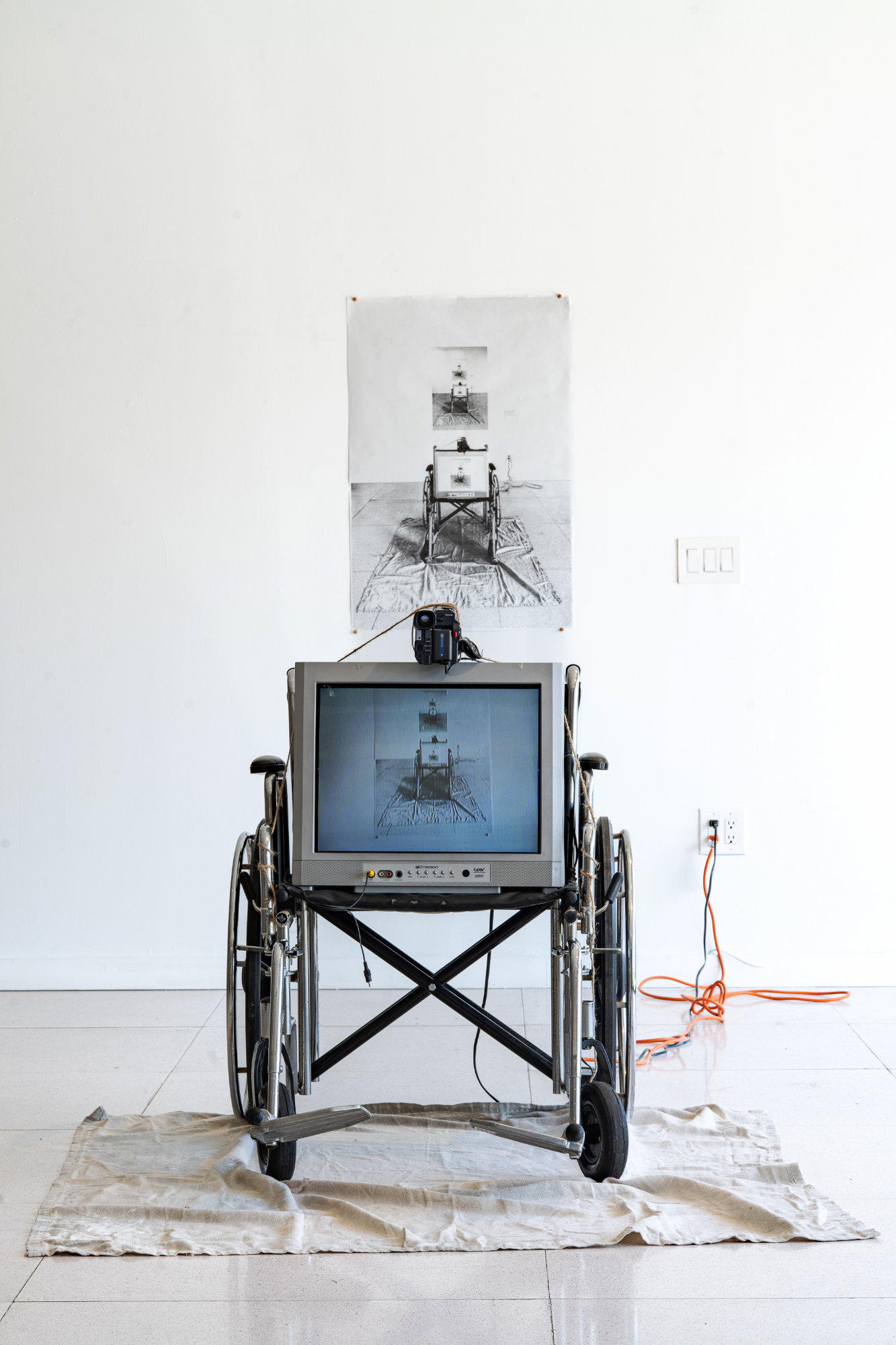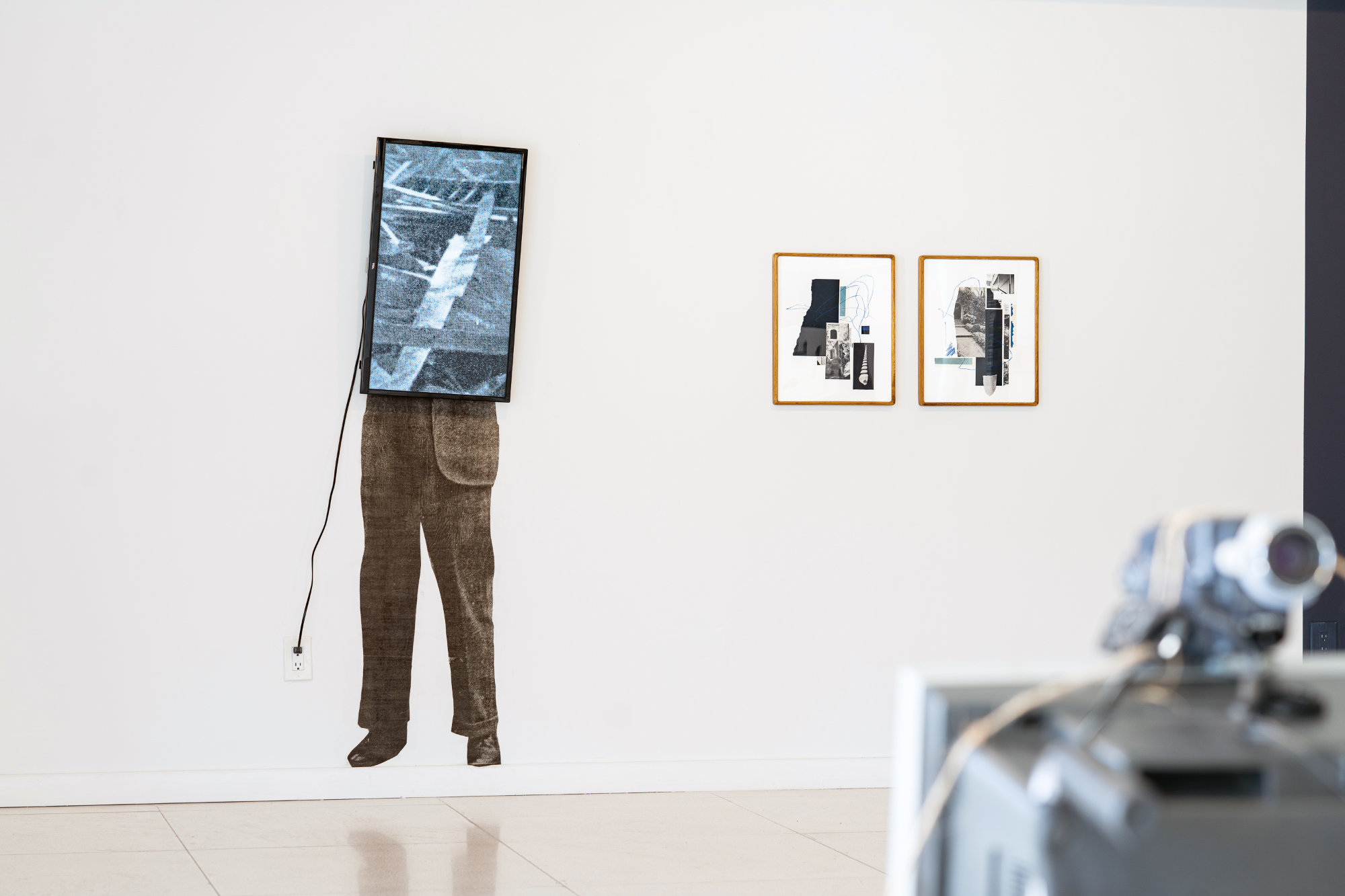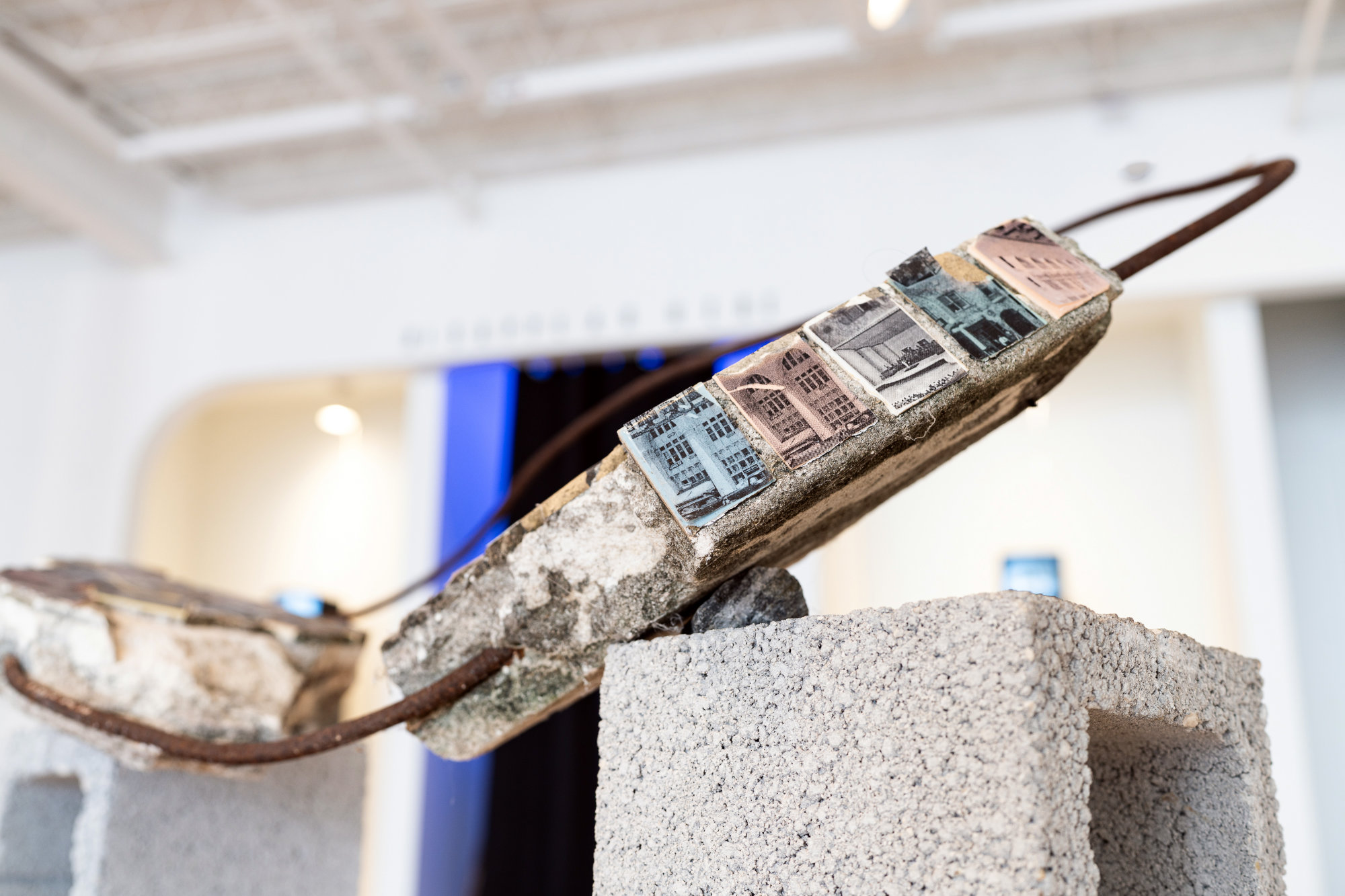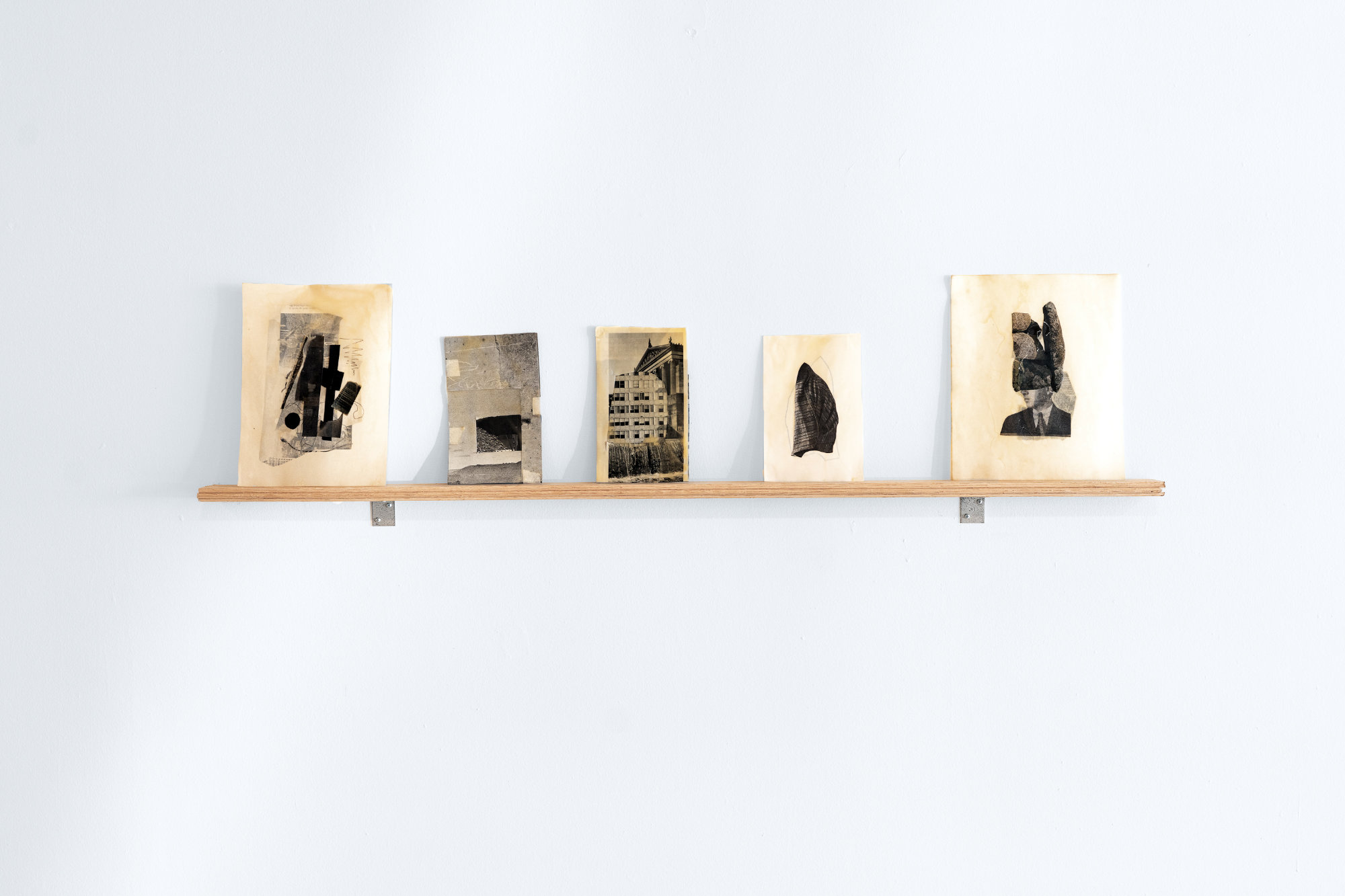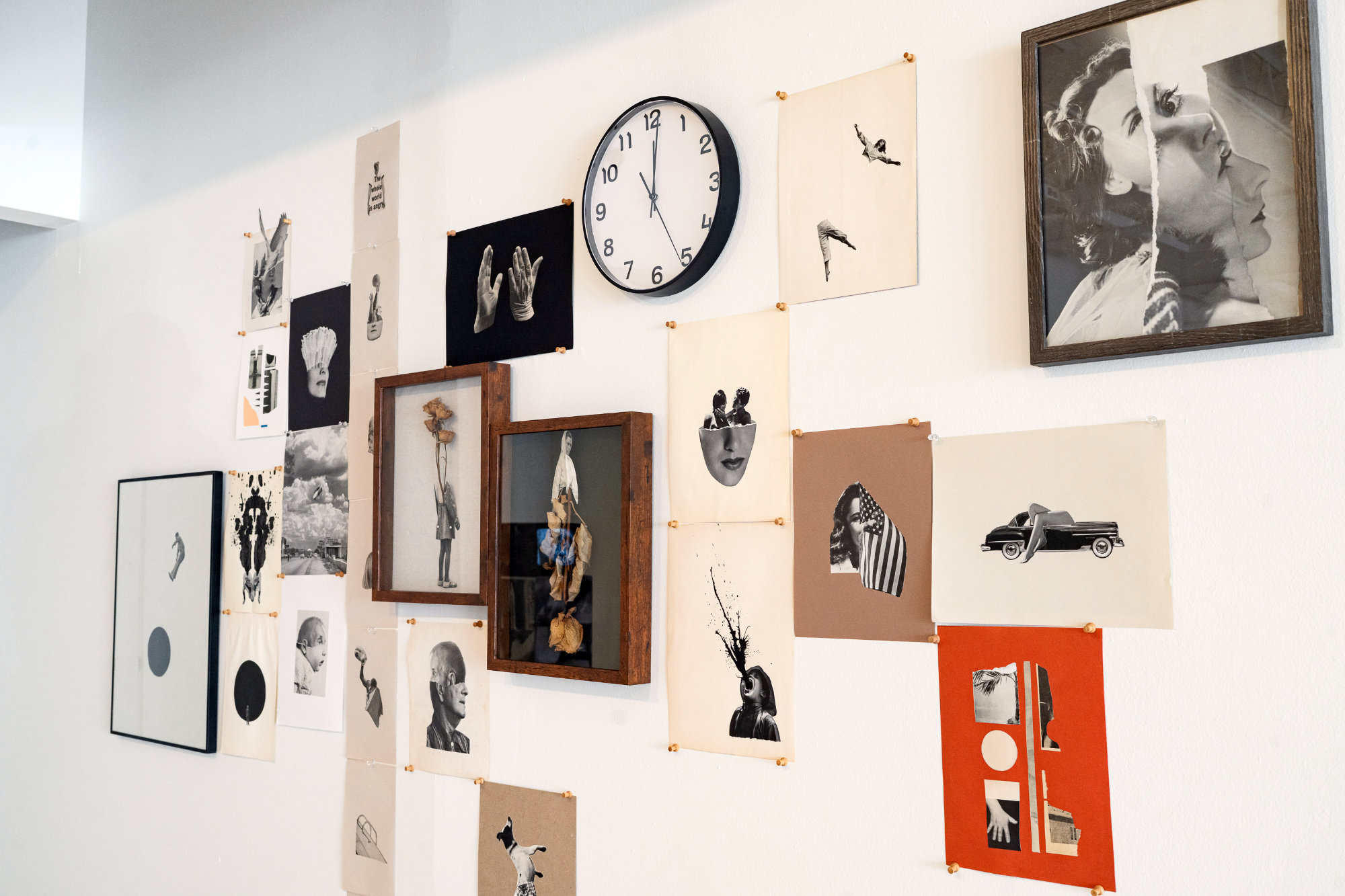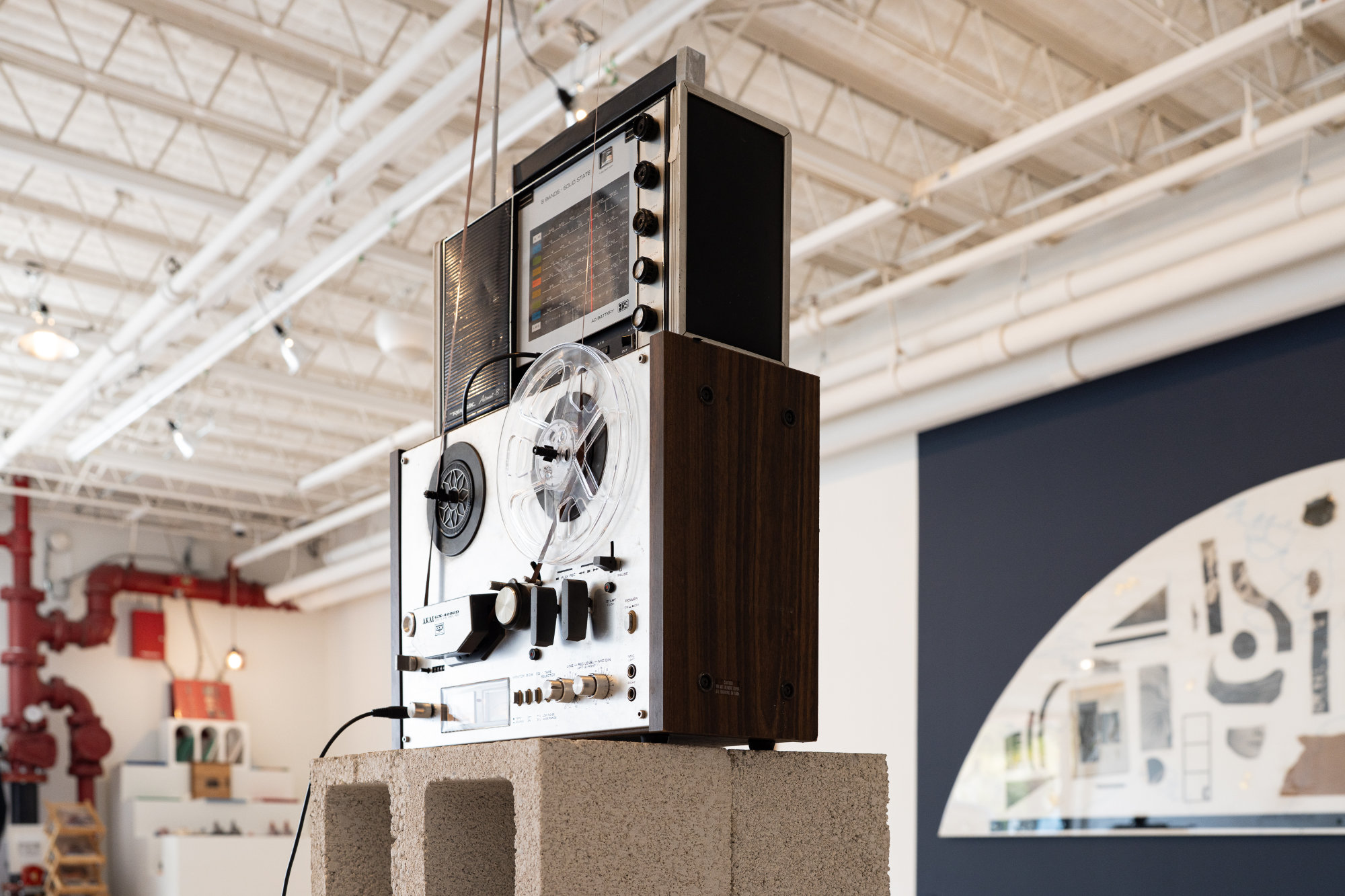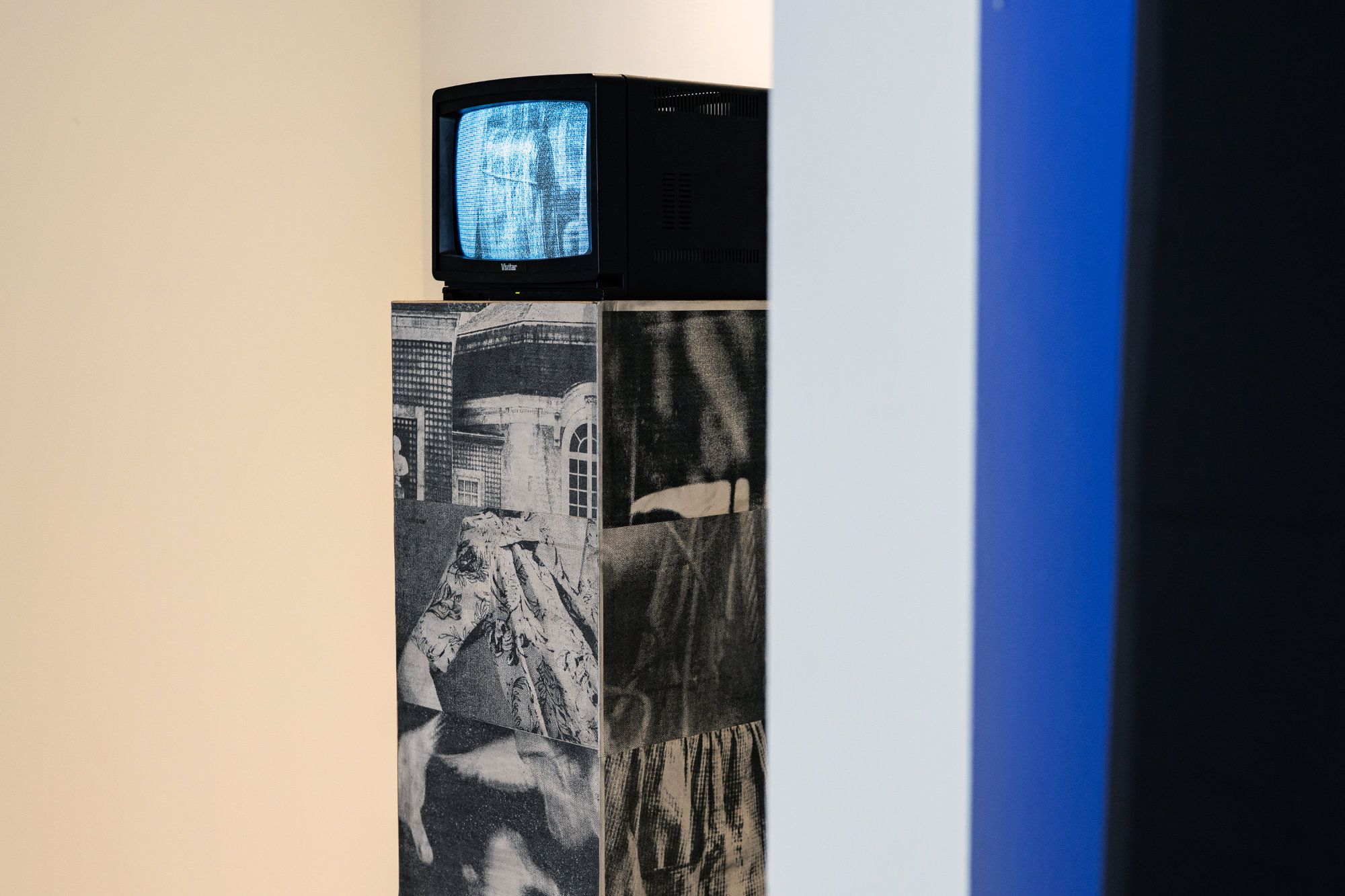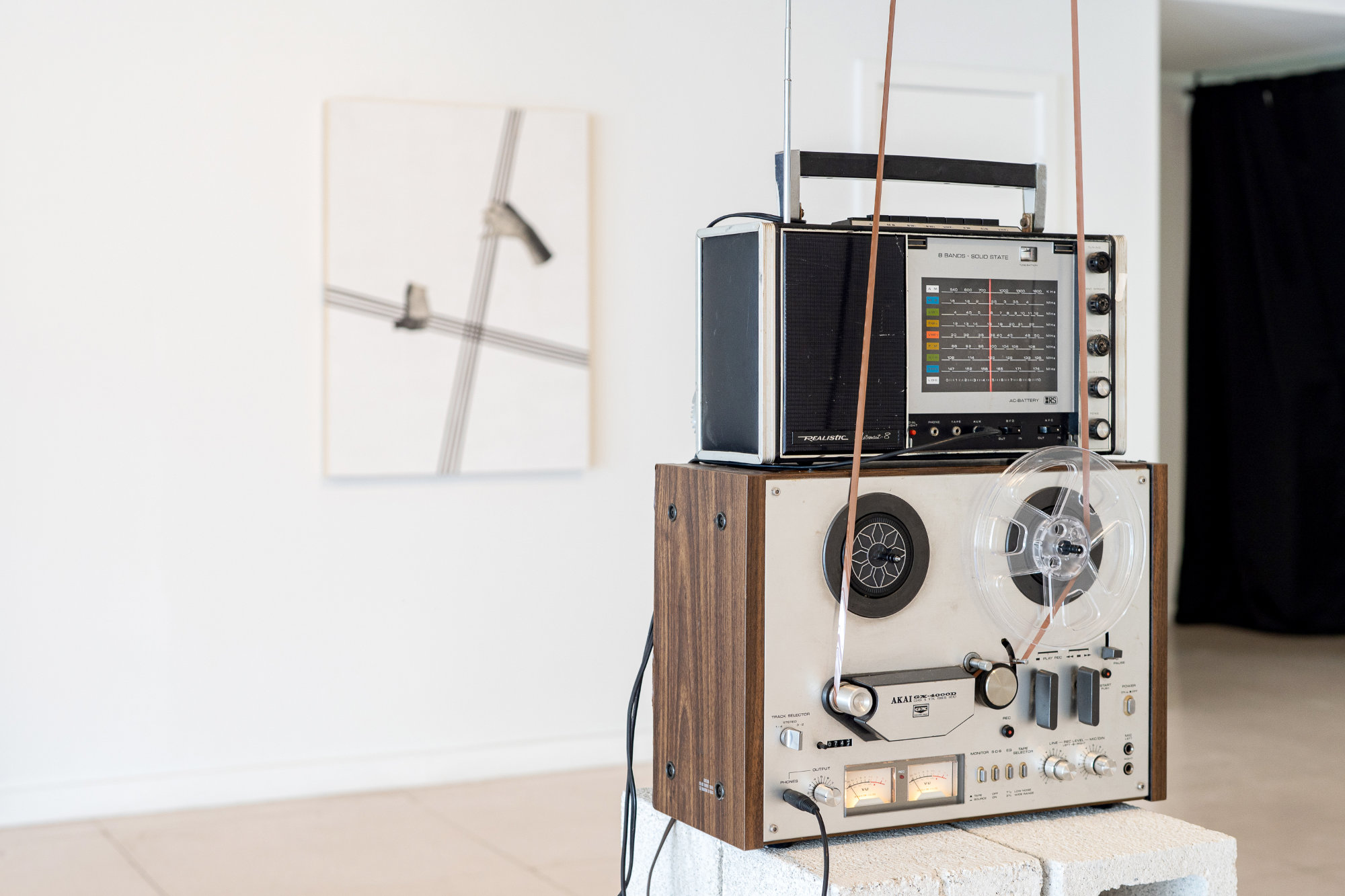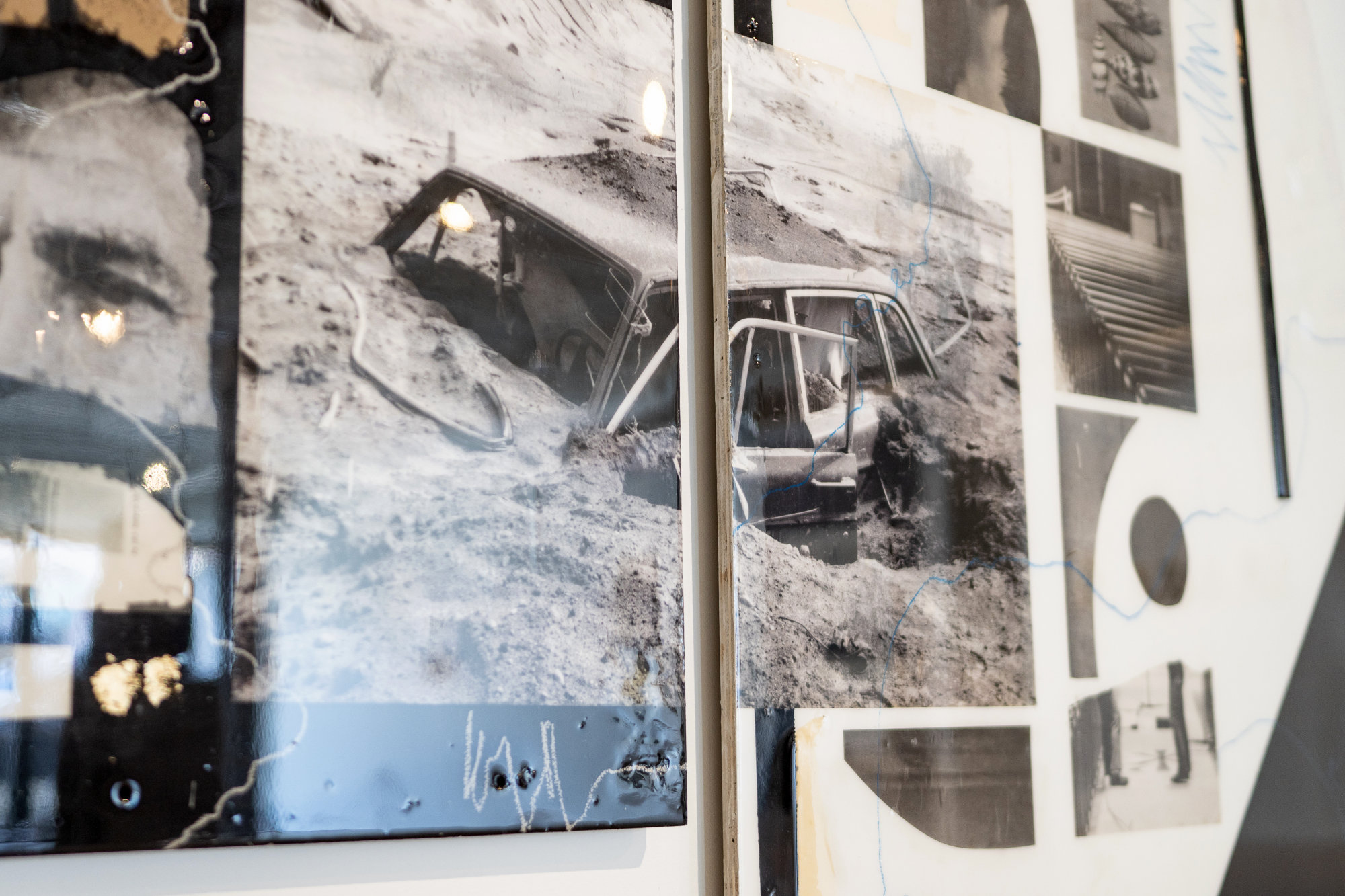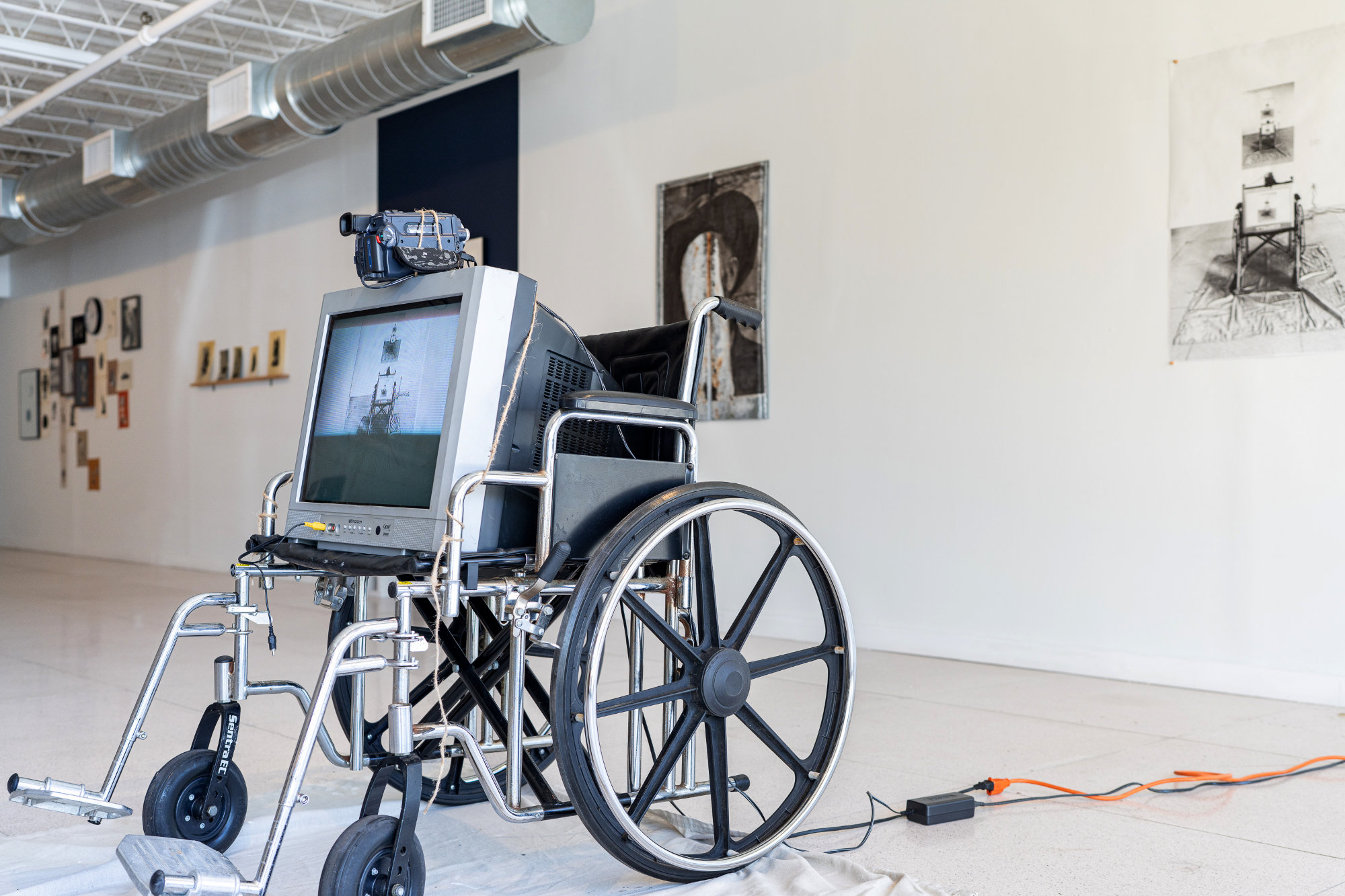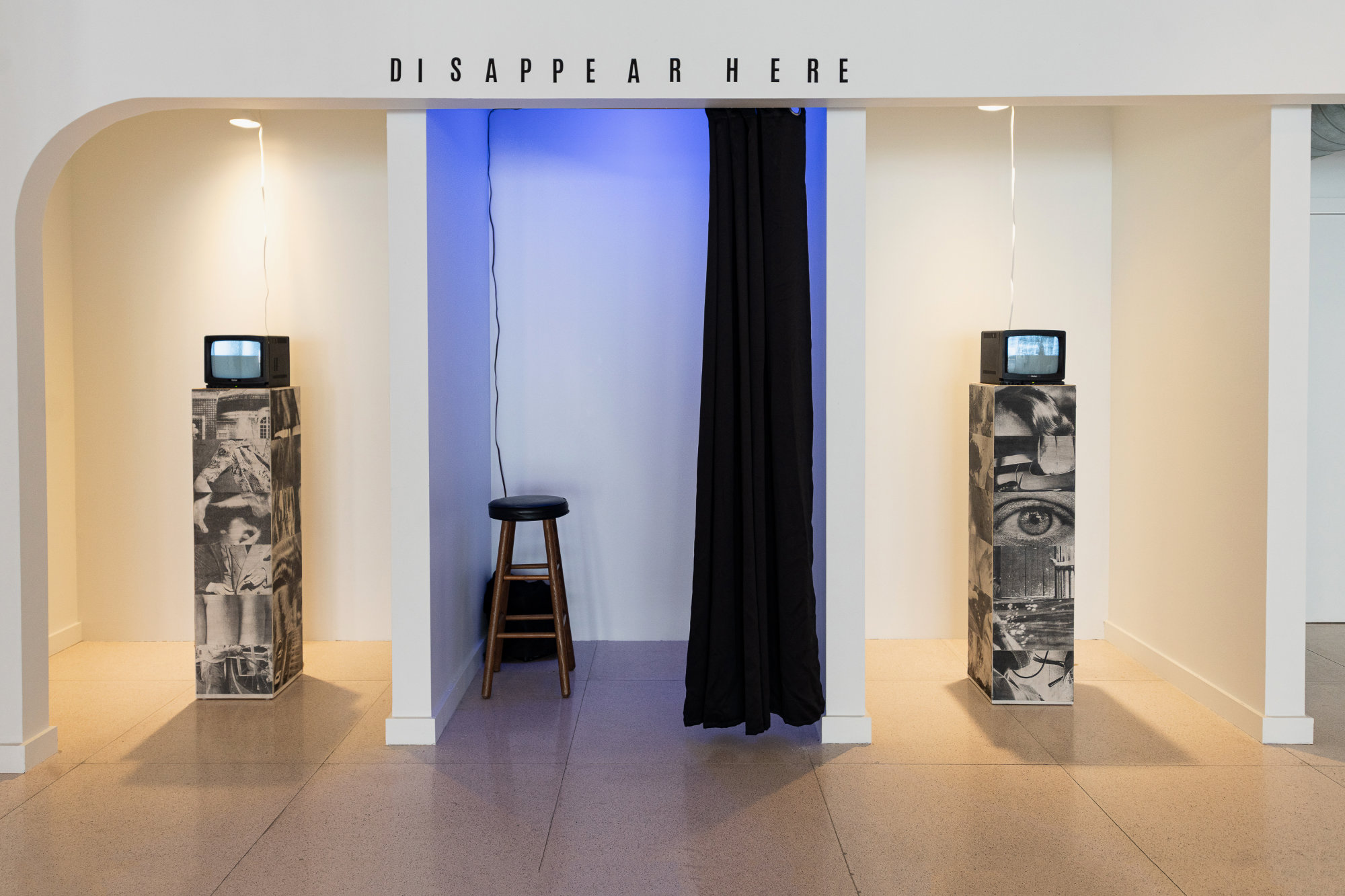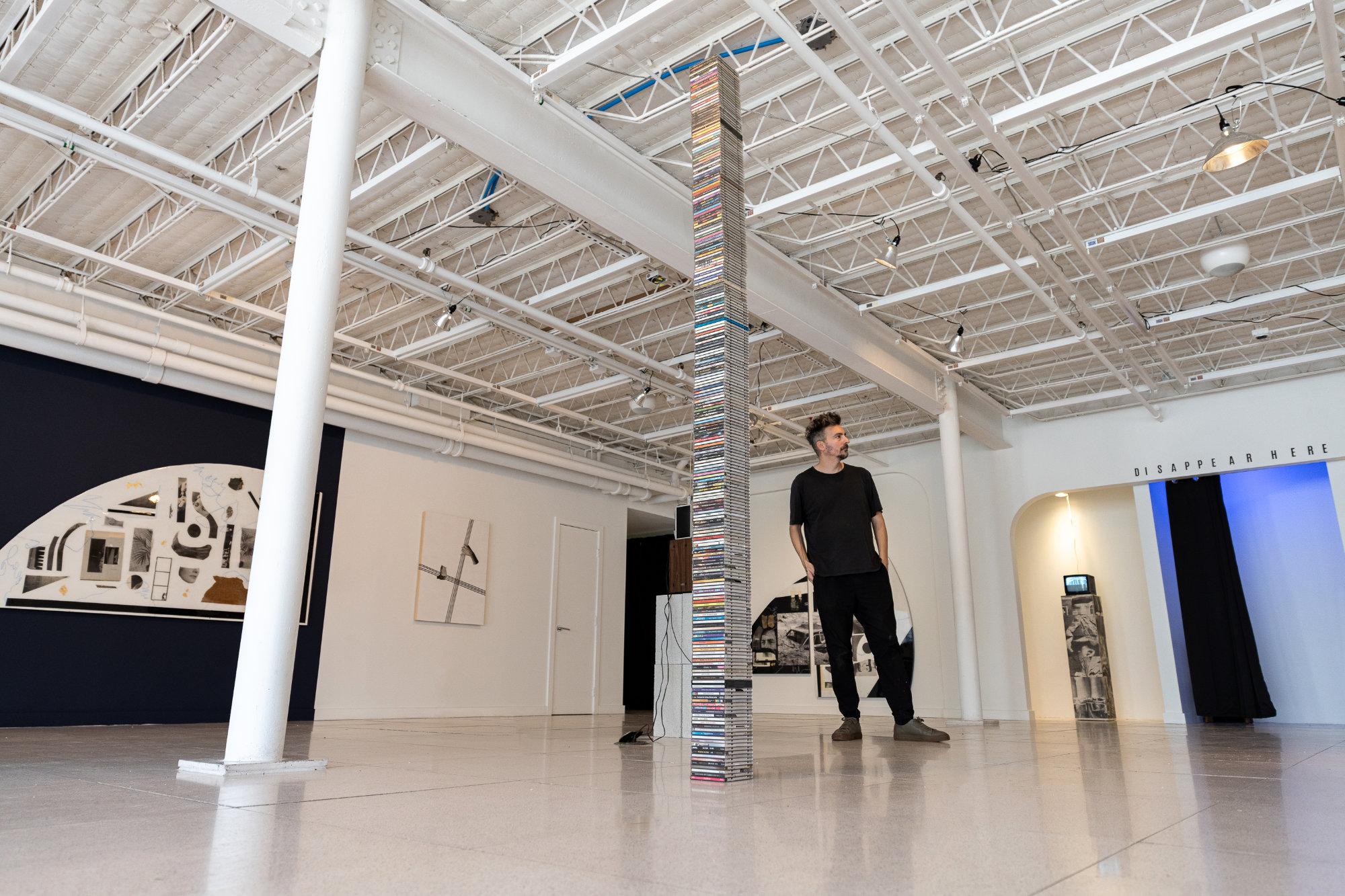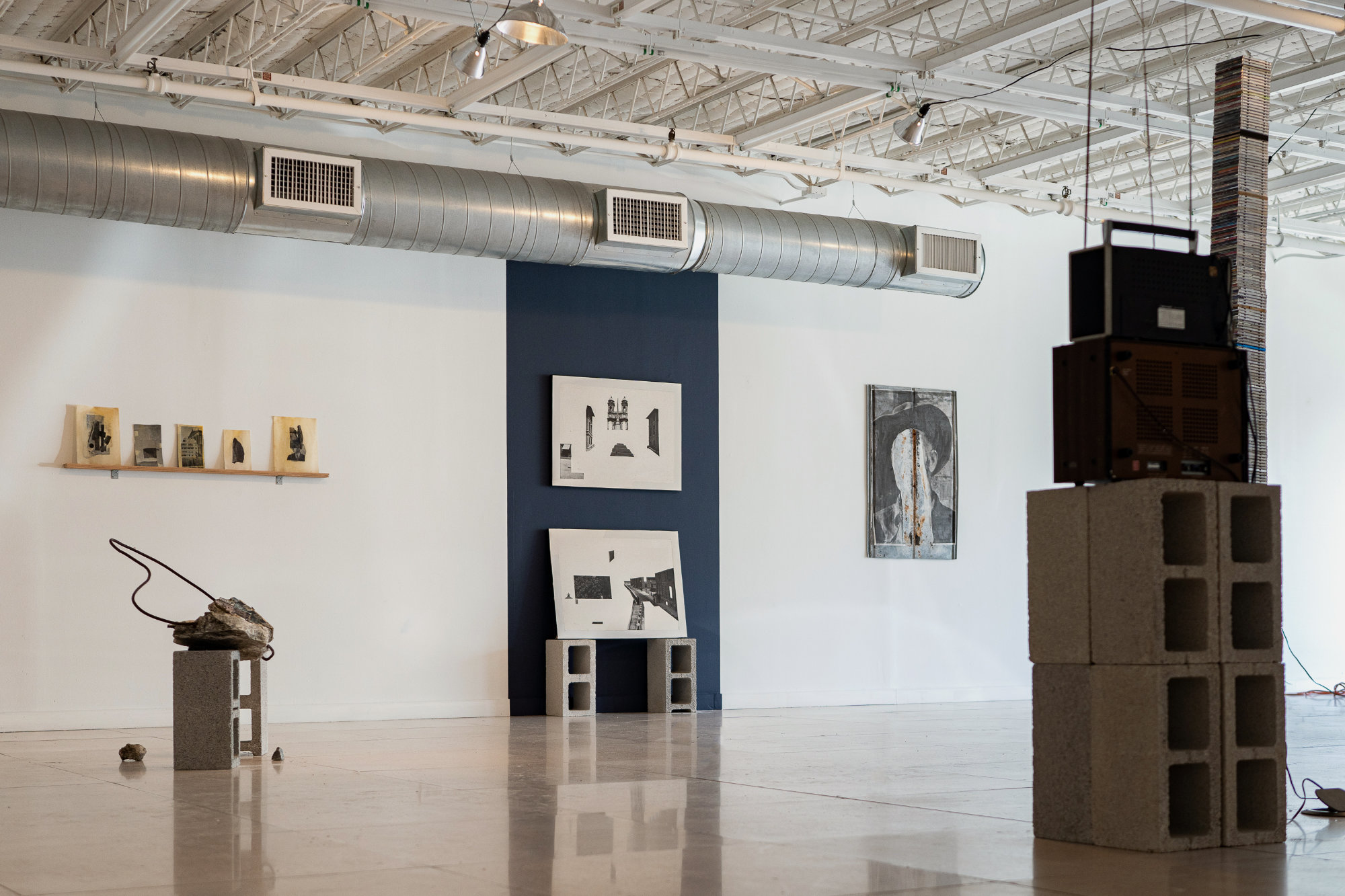
“There’s a bit of magic in everything….. and then some loss to even things out.” — Lou Reed In Fragments of Disappearance, Richard Vergez approaches impermanence, rupture, and the unstable lives of objects once they slip from usefulness or view as an open question. Through collage, assemblage, installation and audio/visual elements, the works in this exhibition resist restoration. Materials are fragmented, misaligned, and interrupted rather than repaired. These gestures are deliberate. They echo the way memory operates unevenly, how experiences are partially retained, distorted, or lost altogether. What remains is not a complete narrative, but a series of pauses, gaps, and residual signals.
The work is driven by the artist’s interest in how meaning breaks down over time and how objects continue to speak even as their original context dissolves. Erasure functions here not as negation, but as a method of revealing transformation. Printed fragments, worn surfaces, found footage, and anonymous objects are cut, layered, and reassembled into unstable compositions that hover between recognition and loss. The collages operate through interruption, while the sculptural works elevate utilitarian artifacts into quiet, almost devotional forms. Together, they form narratives that never fully settle. Grounded in a contemporary sense of animism, the artist treats discarded materials as carriers of memory, agency, and emotional residue rather than inert remnants. Objects shift roles within the work, becoming witnesses rather than tools. They absorb human presence and continue to act long after their original function has dissolved. Disappearance, in this context, is not an endpoint but a change in state. What fades from practical use gains another kind of presence.
This emphasis on transformation feels particularly urgent within today’s news climate. We are living amid constant disappearance: images vanish beneath new headlines, stories fragment as they circulate, and events are reduced to traces almost as quickly as they occur. Erasure is often framed as silence or forgetting, yet the work insists that what disappears does not stop speaking. It simply speaks differently. Like objects removed from their original purpose, information and images persist as residue, carrying emotional weight even when stripped of context or resolution.
The idea of objects as witnesses resonates in a moment defined by aftermaths rather than conclusions. Much of what reaches us now are remnants… damaged landscapes, abandoned belongings, partial accounts, unresolved histories. The work in Fragments of Disappearance mirror this condition. They hold evidence without explanation, presence without clarity. In doing so, the work reflects how we encounter the world today, through fragments, delays, and gaps that demand slower attention.
Fragments of Disappearance asks what remains when usefulness fades and visibility slips away. It considers absence as an active, living condition and invites viewers to sit with what lingers. In a culture that moves quickly past loss, the work makes space for what endures quietly, carrying memory forward in an altered form.